
A recent inquiry at the disability royal commission has uncovered concerning allegations regarding a barista training course for individuals with disabilities. The course, named BusyBeans, received substantial funding from the federal government but was found to lack essential equipment and facilities necessary for proper training. This revelation has raised questions about the effectiveness and integrity of the Disability Employment Services program, which aims to assist people with disabilities in gaining employment.

The investigation revealed that at least one of the BusyBeans training centers operated without established policies, safety measures, or adequate facilities for training participants in coffee-making skills. Participants were reportedly referred to the program from other employment services, potentially triggering financial incentives for the organizations involved. Representatives from the companies responsible for the program are expected to provide their responses during the ongoing inquiry.

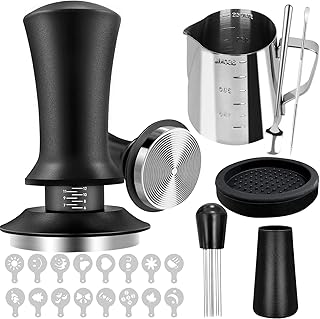
One individual, identified as Mzia, shared her experience as a former jobseeker in the disability employment services program. Despite having previous experience as a barista, she encountered significant challenges when she joined the BusyBeans program. Mzia described arriving on her first day to find only a home coffee machine and long-life milk, essential items for barista training conspicuously absent.

She alleged that after raising concerns about the lack of equipment, she was initially given a voucher to purchase necessary supplies and later instructed to buy them herself. Feeling compelled to use her own funds for essential tools and lacking proper induction or training, Mzia expressed disappointment with the program’s inadequacies and the unmet expectations she had.
Moreover, Mzia highlighted concerns about potential conflicts of interest, as her employment consultant was also involved in assessing candidates for the BusyBeans program. This overlap raised questions about the consultant’s impartiality and the suitability of participants selected for the training.

Despite the program’s shortcomings, AimBig, the organization overseeing BusyBeans, reportedly received substantial government funding for its participants. The inquiry disclosed that AimBig had received significant payments, raising further scrutiny over the program’s management and accountability.

As the inquiry continues, investigators plan to delve into the adequacy of post-placement support provided to individuals like Mzia and assess possible conflicts between the roles of employment consultants and employers within the program. The ongoing scrutiny reflects broader concerns about the Disability Employment Services program and the need for improved oversight and accountability in supporting individuals with disabilities in gaining meaningful employment opportunities.
The inquiry’s findings shed light on the challenges faced by individuals with disabilities seeking employment and the critical importance of ensuring that training programs designed to support them are adequately resourced and effectively managed. The outcomes of this investigation will likely inform future policy decisions and initiatives aimed at enhancing the accessibility and quality of employment services for people with disabilities in Australia.
📰 Related Articles
- Teen’s Deportation Drama Reveals Homestay Program Challenges in Australia
- Study Reveals Success of Sonography Peer Tutoring Program
- Study Reveals Key Factors in Preschool Teacher Training Efficiency
- Report Reveals $2.6 Billion Losses in Australia’s Childcare Program
- Lost Records: Bloom & Rage – Tape 2 Review Reveals Narrative Flaws